


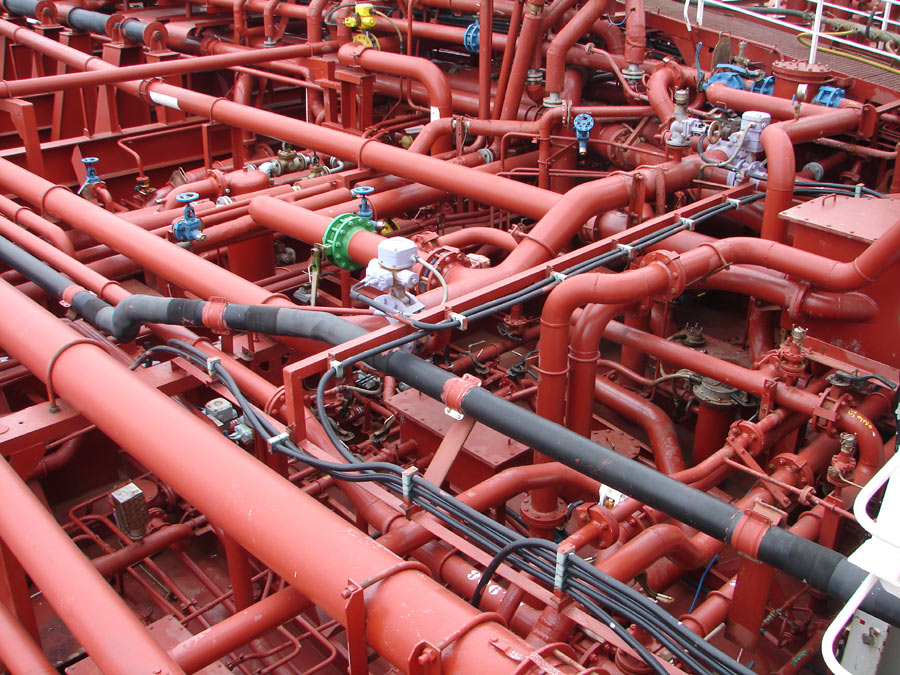
Optimize your process piping systems for efficiency and safety. Regularly inspect and maintain components. Proper material selection is crucial for longevity. Implement safety protocols for personnel protection. Manage fluid flow efficiently with optimized techniques. Minimize corrosion risks through proactive measures. Identify early signs of corrosion to prevent damage. Develop emergency response plans for quick action. Monitor performance metrics to ensure reliability. Enhance system operation with strategic approaches. Discover key strategies for optimal operation to maximize system efficiency and safety.
Key Takeaways
– Regular inspection and maintenance schedules for early issue detection.
– Proper material selection for long-term reliability and efficiency.
– Implement safety protocols with comprehensive training and emergency plans.
– Efficient fluid flow management for optimized performance and sustainability.
– Minimize corrosion risks through proactive measures and protective coatings.
Importance of Process Piping Systems
The optimization of process piping systems is crucial for ensuring efficient and safe operation within industrial facilities. Achieving system efficiency is paramount to meet production demands while maintaining operational reliability. Proper design and installation of process piping systems help in minimizing energy losses and ensuring the smooth flow of materials, contributing to overall system efficiency.
Operational reliability is a key factor in the functionality of process piping systems. By carefully selecting materials that can withstand the operating conditions and pressures, the risk of leaks or failures is reduced, enhancing the overall reliability of the system. Additionally, regular monitoring and testing of the piping system can help identify potential issues before they escalate, further ensuring operational reliability.
Regular Inspection and Maintenance
Optimizing process piping systems requires regular inspection and maintenance to ensure continued operational efficiency and safety. Establishing thorough inspection schedules is crucial to identify potential issues before they escalate, minimizing downtime and enhancing overall system reliability. During these inspections, focus on assessing components for signs of wear, corrosion, leaks, or blockages that could compromise system performance.
Maintenance procedures should be carried out in accordance with manufacturer guidelines and industry best practices. Regularly clean filters, check valve operations, and inspect joints for leaks. Utilize non-destructive testing methods to assess the integrity of the piping and identify any structural weaknesses. Implement a proactive maintenance approach that includes predictive techniques like vibration analysis or thermal imaging to detect potential failures before they occur.
Proper Material Selection
When selecting materials for process piping systems, ensure compatibility with the substances being transported to prevent chemical reactions that could compromise the system’s integrity.
Consider the corrosion resistance properties of the chosen materials to prolong the lifespan of the piping and reduce the need for frequent replacements.
Proper material selection is crucial for maintaining the efficiency and safety of process piping systems in industrial settings.
Material Compatibility
Proper material selection in process piping systems optimization is crucial for ensuring long-term reliability and efficiency. Chemical resistance is a key factor to consider when choosing materials for piping systems to prevent degradation and ensure safety.
Compatibility testing plays a vital role in determining whether the selected materials will interact adversely with the substances being transported, avoiding potential leaks or contamination risks. Conducting thorough compatibility tests helps in identifying the most suitable materials that can withstand the specific operating conditions of the process piping system.
Corrosion Resistance
Selecting materials with high corrosion resistance is paramount in ensuring the longevity and reliability of process piping systems. Corrosion prevention and maintenance strategies are crucial elements in maintaining the integrity of these systems.
When considering material selection, it’s essential to prioritize chemical compatibility to prevent corrosion. Stainless steel, for example, is a popular choice due to its resistance to various corrosive environments. Additionally, materials like PVC and CPVC offer excellent corrosion resistance against a wide range of chemicals.
Regular inspections and monitoring are also vital in identifying any signs of corrosion early on, allowing for timely intervention. By incorporating these corrosion-resistant materials and implementing effective maintenance practices, you can significantly extend the lifespan of your process piping system.
Implementing Safety Protocols
When implementing safety protocols in process piping systems, ensure all personnel undergo comprehensive safety training programs to minimize risks associated with the operation and maintenance of the system.
Develop and regularly update emergency response plans to swiftly and effectively address any unforeseen incidents that may occur during system operation.
Safety Training Programs
To enhance workplace safety and ensure compliance with regulations, safety training programs should be meticulously developed and consistently implemented within process piping systems. Hazard identification and risk assessment are crucial components of these programs, helping employees recognize potential dangers and understand how to mitigate risks effectively.
Incident investigation and root cause analysis training equip staff with the skills needed to investigate accidents thoroughly, identify underlying causes, and implement preventive measures to avoid similar incidents in the future. By incorporating these elements into safety training programs, organizations can foster a culture of safety, where every team member feels empowered to prioritize safety in their daily tasks and contribute to the overall well-being of the process piping system.
Emergency Response Plans
Implementing Emergency Response Plans within process piping systems necessitates a structured approach to swiftly address potential safety incidents and mitigate risks effectively.
Emergency drills play a crucial role in familiarizing personnel with protocols and procedures, ensuring a coordinated response during critical situations.
Establishing clear communication protocols is essential for disseminating information efficiently and facilitating prompt decision-making.
Regular practice of emergency scenarios through drills enhances preparedness and aids in identifying areas for improvement within the response plan.
Effective communication mechanisms, such as designated emergency contacts and communication channels, are vital components of a comprehensive emergency response strategy.
Efficient Fluid Flow Management
Optimizing fluid flow management is key to enhancing the efficiency of process piping systems. To achieve optimal results, consider the following:
– Implement Flow Optimization Techniques: Utilize flow control valves and regulators to maintain a consistent flow rate, ensuring smooth operation and preventing pressure fluctuations.
– Focus on Pressure Control: Properly calibrated pressure gauges and relief valves help maintain the desired pressure levels within the system, reducing the risk of leaks or equipment failures.
– Prioritize Energy Efficiency: By ensuring that pumps and compressors are correctly sized and maintained, you can minimize energy waste and achieve significant cost savings over time.
Efficient fluid flow management not only improves the overall performance of process piping systems but also contributes to a more sustainable and cost-effective operation. By paying attention to flow optimization, pressure control, and energy efficiency, you can enhance system reliability and longevity while reducing operational expenses.
Minimizing Corrosion Risks
Minimize corrosion risks by conducting regular inspections and implementing proactive maintenance measures to protect process piping systems effectively. Corrosion prevention is crucial in maintaining the integrity and longevity of your piping infrastructure. One key strategy is the application of protective coatings to create a barrier between the pipe material and corrosive elements. These coatings act as a shield, preventing direct contact between the metal surface and potentially damaging substances, such as moisture or chemicals.
Regular inspections play a vital role in identifying early signs of corrosion, allowing for timely intervention before significant damage occurs. By monitoring the condition of the pipes, you can detect corrosion hotspots and take corrective action promptly. Implementing proactive maintenance measures, such as cleaning, reapplication of protective coatings, and addressing any issues identified during inspections, is essential for preventing corrosion from compromising the performance of your process piping systems.
Emergency Response Planning
To enhance the resilience of your process piping systems, developing a comprehensive emergency response plan is imperative for effectively mitigating potential risks and minimizing downtime in critical situations. When creating your emergency response plan, consider the following key strategies:
– Incident Management: Establish clear protocols for identifying, reporting, and responding to incidents promptly. Designate specific roles and responsibilities for each team member to ensure a coordinated and efficient response in case of emergencies.
– Contingency Planning: Anticipate potential failure points in your process piping systems and develop contingency plans to address these vulnerabilities. Regularly review and update these plans to adapt to changing circumstances and new risks that may arise.
– Training and Drills: Conduct regular training sessions and emergency drills to familiarize your team with the emergency response procedures. Practice scenarios that simulate various emergencies to enhance preparedness and ensure a swift and effective response when faced with real-life incidents.
Monitoring Performance Metrics
How can you effectively track and evaluate the performance metrics of your process piping systems to ensure optimal functionality and reliability? Monitoring performance metrics is crucial for achieving performance optimization and ensuring the efficient operation of your piping systems. By implementing a comprehensive data analysis strategy, you can gather valuable insights into the system’s performance, identify potential issues, and make informed decisions to enhance overall efficiency.
To begin, establish key performance indicators (KPIs) that align with your operational goals. These KPIs could include metrics such as flow rates, pressure levels, temperature variations, and energy consumption. Regularly collecting data on these parameters and comparing them against established benchmarks will enable you to track system performance accurately.
Furthermore, utilize advanced data analysis tools to interpret the gathered data effectively. Techniques such as trend analysis, anomaly detection, and predictive modeling can help you identify patterns, anticipate potential failures, and proactively address performance issues before they escalate.
Conclusion
In conclusion, optimizing process piping systems is crucial for efficient operation.
By prioritizing regular inspection, proper material selection, safety protocols, fluid flow management, corrosion prevention, emergency response planning, and performance monitoring, you can ensure the smooth functioning of your piping systems.
Stay proactive in maintaining and improving your process piping systems to minimize downtime, reduce risks, and maximize productivity in industrial operations.
For reliable online operations, it’s essential to implement safety protocols and proactive measures, just like maintaining a secure and efficient process piping system. Learn more about transparent proxy reviews.
For a secure and efficient online environment, it’s crucial to not only optimize your process piping systems but also ensure transparency in proxy reviews. Learn more about transparent proxy reviews.
